Should the United States engage in high‑level talks with authoritarian regimes like China and Russia?

Bloomberg reported that U.S. chip export restrictions are prompting Xi Jinping to consider his response before a summit with President Trump. NBC News noted Trump’s arrival in Manila for the ASEAN summit, while Fox News added that he reached the Philippines ahead of a planned Xi‑Jinping meeting after GOP midterm losses. Google News provided live updates on world leaders gathering for APEC and ASEAN summits ahead of a Trump‑Xi‑Putin meeting. Reuters said Canada and China extended trade deals as Xi met Canadian minister Carney before the APEC summit. TIME outlined what Trump, Putin and Xi each hope to achieve at the summit. National Review highlighted the summit’s implication for a new liberal international order. PBS NewsHour featured a discussion with Tamara Keith and Amy Walter on the summit. CBS reported that Trump will meet Putin and Xi during his Asia trip, and Newsweek listed Rubio, Lutnick and Miller as key figures before the Xi‑Putin meet.

YES

Engagement Enables Strategic Leverage
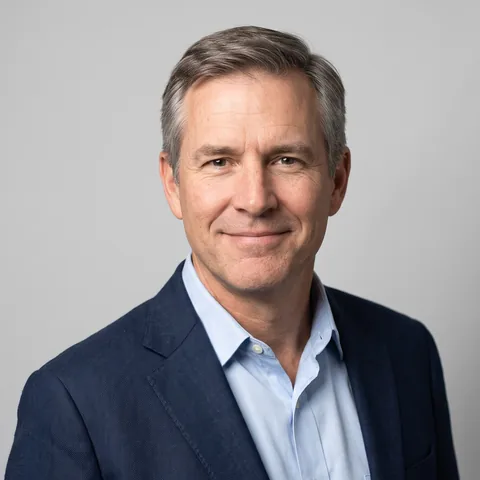
I’m Marcus Bell. Think of a neighborhood dispute over a fence. If you never talk to the neighbor, the fence stays broken and tensions rise. The same logic applies to high‑level talks with China and Russia. Bloomberg notes that U.S. chip curbs have forced Xi to weigh his response before the Trump summit, showing that diplomatic pressure can shape behavior. The upcoming ASEAN and APEC gatherings, reported by NBC, Fox, and Google News, bring multiple leaders together, creating a platform for coordinated policy. By meeting Putin and Xi, as CBS and Newsweek detail, the United States can set clear expectations, negotiate trade adjustments like those Canada secured with China (Reuters), and push for a liberal international order (National Review). While critics worry talks legitimize authoritarian regimes, the practical benefit is a direct channel to influence decisions that affect global security and economics, much like fixing that fence through conversation rather than conflict.

NO

Risks Outweigh Diplomatic Gains

I’m Dana Whitfield. Engaging with authoritarian powers at the highest level risks normalizing their behavior and granting them a veneer of legitimacy. The Bloomberg headline about U.S. chip curbs forcing Xi to consider his response underscores how coercive measures, not dialogue, drive change. While it’s true—acknowledged by TIME and National Review—that the Trump‑Xi‑Putin summit offers a chance to articulate U.S. interests, the same summit also provides a stage for these regimes to present a united front against democratic norms. Reuters reports Canada extending trade deals with China, suggesting economic concessions can be extracted, yet such deals may embolden authoritarian leverage elsewhere. Moreover, the flurry of media coverage (NBC, Fox, CBS, Newsweek) highlights the political theater surrounding the meetings, diverting attention from substantive policy. In short, the potential diplomatic openings are outweighed by the danger of reinforcing a global order where authoritarian leaders coordinate unchecked, compromising the very liberal principles the United States seeks to protect.

Where do you stand?

Past debates