Should billionaires be allowed to spend unlimited money on political campaigns?

Multiple outlets reported that Elon Musk publicly distanced himself from the MAGA label after the 2026 GOP midterm losses. Newsweek noted his statement “I’m Not MAGA,” while ABC News and the New York Post quoted Musk as regretting nearly $500 million in spending on the midterms, calling it “pretty foolish.” People, Bloomberg, and CBS News echoed the sentiment, citing a $474‑$500 million outlay that failed to help GOP candidates. The Wall Street Journal, CNN, Google News, and Variety also reported Musk’s admission that the record $400‑$446 million spend was a mistake and that he is not MAGA.

YES

Unlimited Spending Empowers Voter Choice
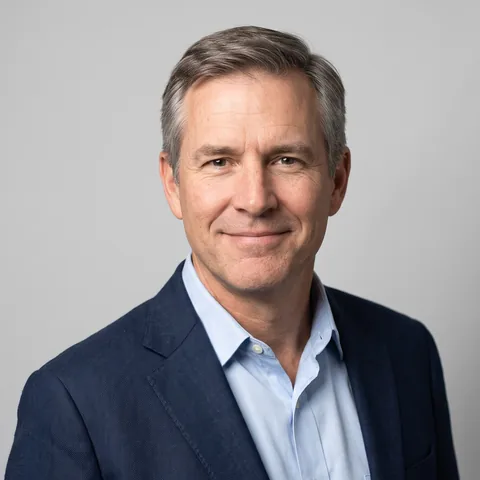
Marcus Bell: Imagine a small town where the only newspaper is funded by a single wealthy resident. That resident can print as many copies as they like, covering every local issue, from road repairs to school budgets. In a national election, a billionaire’s unlimited spending works the same way—providing voters with more information, more ads, and more viewpoints than a capped system would allow. When Elon Musk poured nearly $500 million into the 2026 midterms, he flooded the airwaves with his perspective, giving voters options they might never have heard otherwise. Unlimited spending also encourages competition; if one donor backs a candidate, rivals must match the outreach to stay visible. This dynamic can prevent any single voice from dominating by forcing all sides to invest in outreach. In short, allowing billionaires to spend without limits expands the marketplace of ideas, ensuring that voters receive a richer, more diverse flow of political messaging.
NO

Limits Protect Democratic Fairness

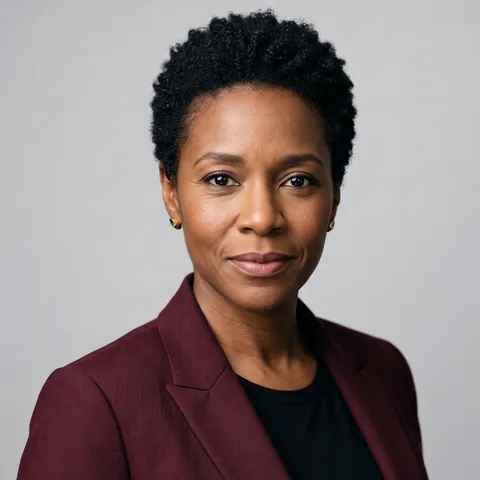
Dana Whitfield: Unlimited campaign spending creates an uneven playing field where wealth, not ideas, decides influence. Elon Musk’s nearly $500 million outlay in the 2026 midterms flooded the media with a single donor’s preferences, dwarfing the resources of ordinary candidates and voters. While proponents argue that more money means more information, the reality is that such spending drowns out competing messages, limiting genuine debate. I concede that unrestricted spending can increase the volume of political content, but quantity does not equal quality; it merely amplifies the loudest voice. Robust limits ensure that elections reflect a broader consensus rather than the whims of a few ultra‑rich individuals, preserving the principle of equal political participation and preventing wealth from buying outcomes.

Where do you stand?

Past debates