Should the U.S. impose stricter regulations on AI development to protect the environment?

The Wall Street Journal reports that tech billionaires, including Jensen Huang, view a mistake in his Ouster as a lesson. The New Yorker details Huang’s “Honey Trap” lineage, while the Washington Examiner notes a Chinese spy scandal involving Huang that is being avoided in discussions of a historic trilateral meeting. WIRED describes fashion outlets attempting to destroy Huang’s leather jacket, and Bloomberg says Wall Street is preparing for a post‑Huang Nvidia era. The New York Times calls the Jensen Huang scandal shocking even for scandal‑prone Silicon Valley, and the New York Post mentions the removal of a commemorative plaque at the Denny’s where he founded Nvidia. Google News links the spy scandal to a shadow war for Trump’s ear on China, Newsweek says Huang built an AI meme machine now turning on him, and Politico reports Silicon Valley plotting his comeback.

YES

Regulate AI to Guard the Environment
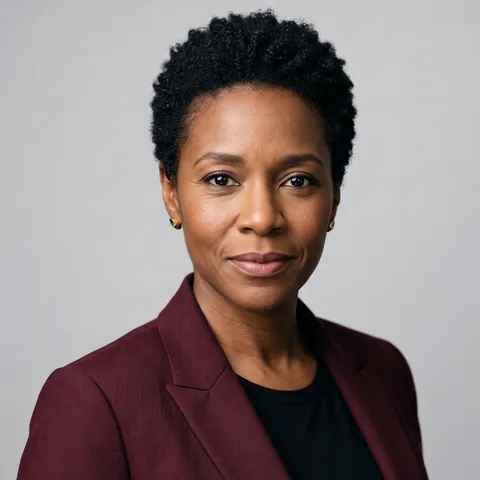
Dana Whitfield: The cascade of scandals surrounding Jensen Huang—spanning espionage accusations, corporate missteps, and an AI meme machine that’s “turning on him,” as reported by the New York Times and Newsweek—reveals a systemic lack of oversight in the AI sector. When Wall Street is already bracing for a post‑Huang Nvidia era (Bloomberg), it signals market uncertainty that could be amplified by unchecked AI growth, especially as AI workloads consume massive energy. Stricter regulations would mandate transparent carbon accounting and enforce sustainable hardware practices, preventing the kind of unchecked expansion that fuels climate strain. While opponents rightly worry that regulation might slow innovation, targeted standards can actually steer investment toward greener technologies, ensuring progress doesn’t come at the planet’s expense.
NO

Avoid Over‑Regulating AI Innovation

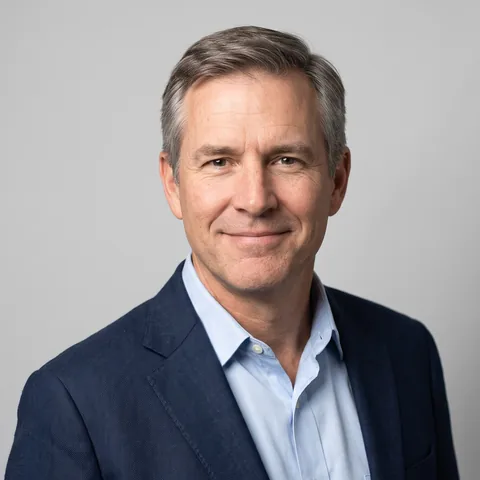
Marcus Bell: Imagine a family using an AI‑powered thermostat to cut home heating costs and reduce emissions. If the government imposes heavy restrictions on AI development, that simple tool could disappear, leaving households with less efficient, more wasteful alternatives. The headlines show Jensen Huang’s controversies—from a spy scandal (Washington Examiner) to a “Honey Trap” narrative (The New Yorker)—but they also highlight that the market is already adjusting, with Wall Street preparing for a post‑Huang Nvidia era (Bloomberg). This suggests the industry can self‑correct without heavy-handed rules. While it’s fair to acknowledge that some oversight is needed to prevent abuses, over‑regulation risks stifling the very innovations that can deliver everyday environmental benefits.

Where do you stand?

Past debates