Should the U.S. implement stricter immigration enforcement policies?

Recent headlines note that Stephen Miller, a senior White House official, has drawn attention for his role in immigration policy. The Hill reports Miller says he will work with anyone but bow to no one. Politico says his appointment energizes RFK Jr. and MAHA allies. The New York Post claims Miller’s influence threatens media and Democrats with misinformation. Rolling Stone and CBS News cite President Trump’s comment that the immigration crackdown may have been ‘too tough’ even as he promoted Miller. USA Today records Rep. Jeffries calling Miller a ‘stone‑cold racist.’ The New York Times observes Republicans lost everywhere except Miller, while Newsweek and Washington Examiner discuss Miller’s new role and its potential impact on investigations and White House dynamics.

YES

Stricter Enforcement Protects Borders and Jobs

Marcus Bell: Imagine a small town where a single bridge is the only way for trucks carrying food and medicine to reach the community. If that bridge is left unguarded, anyone can cross, and the town risks being overwhelmed by traffic that blocks essential deliveries. The same logic applies nationally: tighter immigration enforcement acts like a well‑maintained bridge, allowing only those who meet clear standards to enter, preserving resources for citizens. Proponents argue that stricter policies reduce illegal crossings, lower public‑service strain, and protect American workers from wage pressure. They point to the Trump administration’s own admission—reported by Rolling Stone and CBS News—that the crackdown may have been too harsh, suggesting a need for calibrated, firm rules rather than a lax approach. By setting transparent criteria, the government can better allocate law‑enforcement focus, deter human‑smuggling networks, and ensure that newcomers contribute positively to the economy and society.
NO

Enforcement Policies Harm Economy and Communities

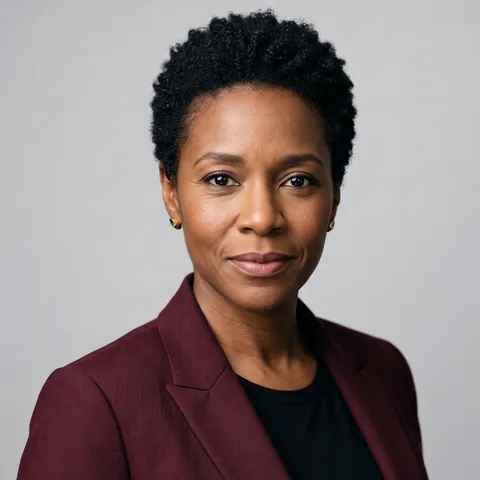
Dana Whitfield: While stricter enforcement may promise order, evidence shows it can damage the very fabric it aims to protect. Critics note that harsh crackdowns often disrupt legitimate labor markets, driving up costs for industries reliant on migrant workers and hurting small businesses that depend on seasonal labor. The New York Times’ observation that Republicans lost everywhere except Stephen Miller underscores how politicized enforcement can alienate voters. Although supporters cite the need for border security, the fact—reported by Rolling Stone and CBS News—that even President Trump questioned the toughness of the crackdown reveals a recognition that overly aggressive policies may backfire. Moreover, the USA Today report of Rep. Jeffries labeling Miller a ‘stone‑cold racist’ signals deep concerns about bias influencing enforcement. By adopting more humane, targeted measures, the U.S. can safeguard security while preserving economic vitality and community cohesion.

Where do you stand?

Past debates