Should Michigan's new senator support a public health insurance option?

Democrat Abdul El‑Sayed won Michigan’s U.S. Senate seat, as reported by PBS NewsHour. The Los Angeles Times noted he is the nation’s first Muslim senator, a fact echoed by Reuters. The Washington Examiner discussed how his victory could affect Senate Democratic leader Chuck Schumer. Rolling Stone highlighted his self‑identified “Swiftie” fandom, while USA Today profiled his wife and family. CBS News quoted Rep. Hillary Scholten on the win as part of a broader Democratic midterm gain. The New York Post said El‑Sayed’s victory speech taunted opponents, and Variety reported a heated exchange with a Sky News reporter. NPR noted his welcome of President Trump’s plan to cut Israel aid and his call to end arms sales.

YES

Support a Public Health Option

Marcus Bell: Imagine a family in Detroit where a parent works two part‑time jobs and still can’t afford a routine check‑up for their child. A public health insurance option would give that family a low‑cost, reliable way to see a doctor without worrying about surprise bills. By adding a government‑run plan alongside private insurers, competition could drive down premiums for everyone, just like a new grocery store can lower food prices. It also means more people stay healthy, reducing emergency‑room visits that cost taxpayers more in the long run. While critics worry about government spending, the savings from fewer uncompensated care visits and the boost to public health outweigh the costs. A public option would expand coverage, improve health outcomes, and keep the market competitive, giving everyday Michiganders a safety net they can count on.
NO

Oppose a Public Health Option

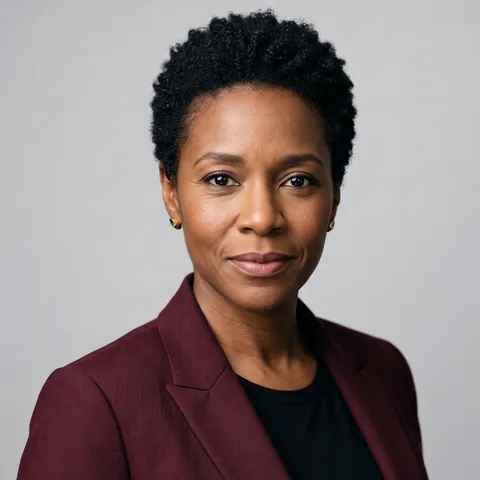
Dana Whitfield: A public health insurance option may sound appealing, but it risks crowding out private insurers and raising taxes to fund the program. Private plans currently innovate and tailor coverage to diverse needs; a government‑run alternative could stifle that flexibility. Moreover, the added bureaucracy might lead to longer wait times, as seen in other countries with single‑payer systems. The opposition’s strongest point is that many Americans already lack coverage, and a public option could close that gap. However, expanding Medicaid or offering tax credits for private plans can achieve broader coverage without creating a parallel system that could strain state budgets and limit consumer choice. By preserving market competition and focusing on targeted subsidies, we protect both fiscal responsibility and the quality of care.

Where do you stand?

Past debates